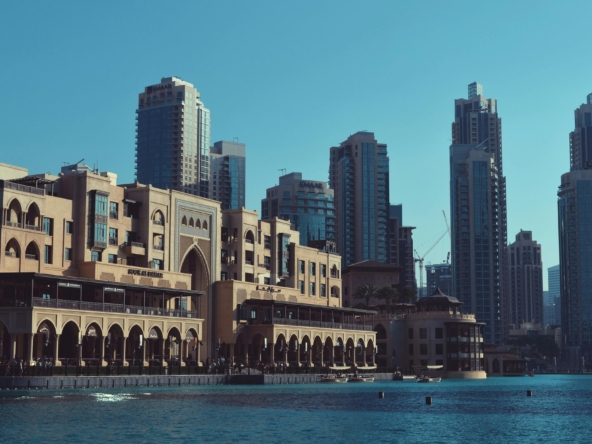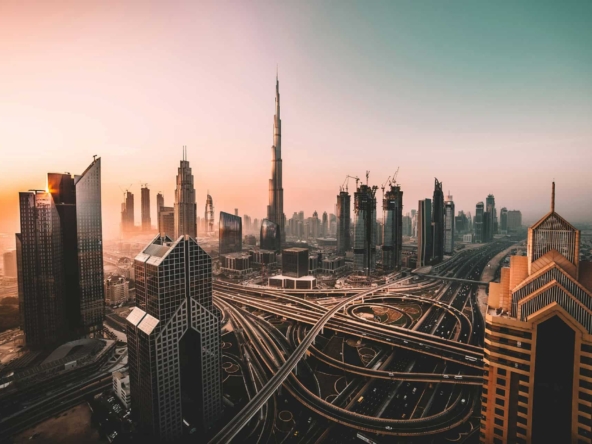
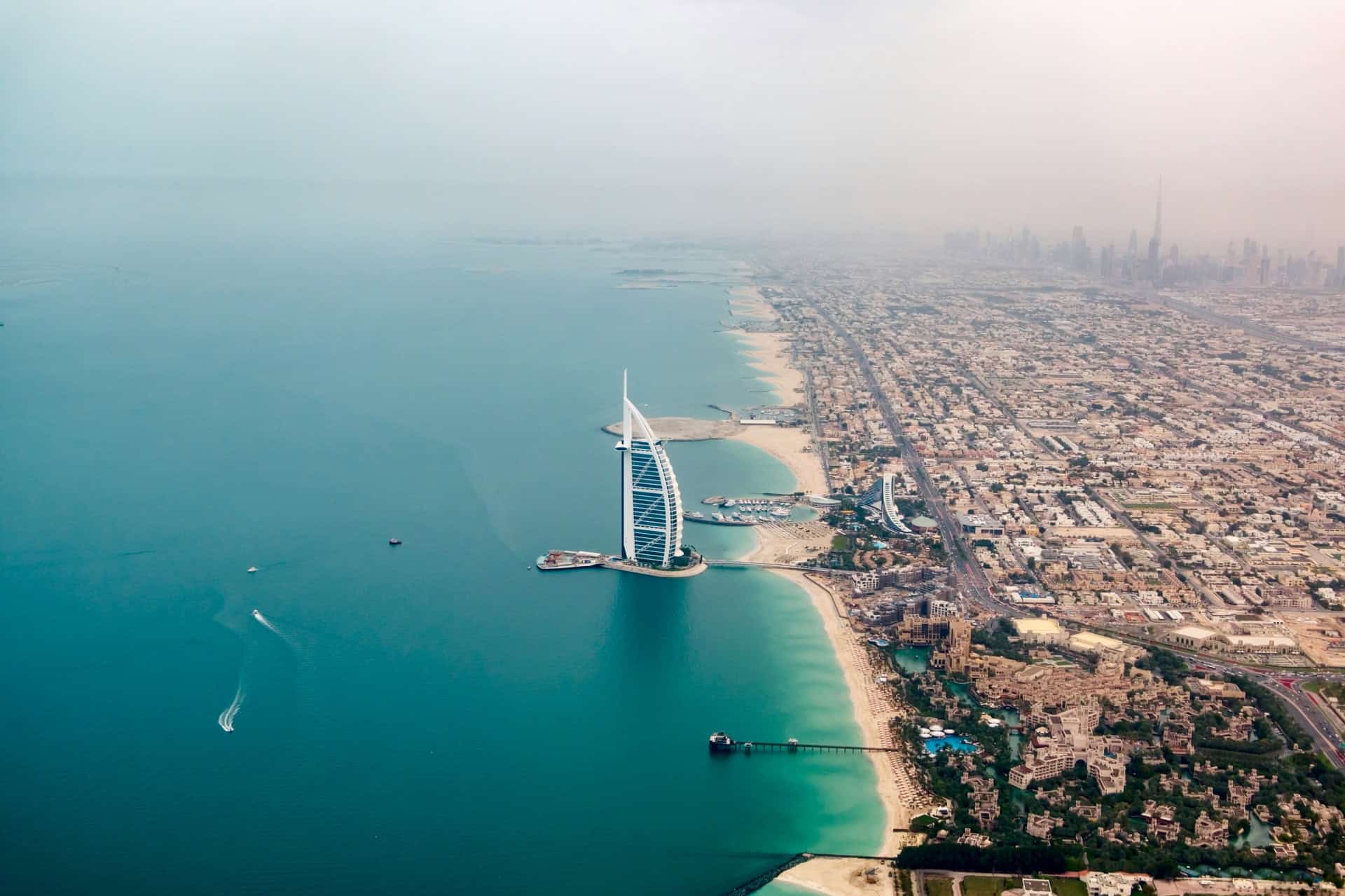
Dubai has long been a global hotspot for real estate investment, attracting high-net-worth individuals, expatriates, and institutional investors with its luxurious developments, tax-free environment, and booming economy. The city’s real estate market has witnessed record-breaking growth over the past few years, with rising property prices, strong demand for high-end residences, and a surge in off-plan property sales. However, as the market reaches new peaks, experts are cautioning that certain headwinds could slow down its rapid ascent in the coming years.
Rising Interest Rates and Global Economic Uncertainty
One of the primary challenges facing Dubai’s real estate sector is the impact of rising global interest rates. Central banks worldwide, including the U.S. Federal Reserve, have implemented rate hikes to combat inflation, leading to higher mortgage costs for property buyers. While Dubai remains an attractive market for cash-rich investors, rising borrowing costs could deter middle-class buyers and slow down demand in certain segments of the market.
Moreover, global economic uncertainties, such as geopolitical tensions, fluctuating oil prices, and economic slowdowns in key markets like China and Europe, could affect investor sentiment. Dubai has positioned itself as a safe haven for global capital, but any prolonged economic downturn could result in reduced foreign investment and a cooling of property price growth.
Oversupply Concerns and Market Saturation
Dubai’s rapid real estate development has resulted in a consistent influx of new properties into the market. While luxury and high-end properties continue to see strong demand, concerns about oversupply in mid-range and budget segments persist. If supply outpaces demand, developers may be forced to offer deep discounts and incentives to attract buyers, potentially leading to price corrections in certain areas.
Historically, Dubai’s property market has gone through cycles of boom and correction, as seen during the 2008 financial crisis and the subsequent market slowdown in 2014-2015. The challenge now is to ensure sustainable growth rather than an overheated market that could lead to instability.
Affordability Challenges for Residents
As property prices and rental rates continue to climb, affordability is becoming a growing concern for Dubai’s working-class and middle-income residents. The rising cost of living, coupled with increasing rents, could make it difficult for many residents to own homes or even continue living in the city long-term. This could result in a shift where more expatriates opt for rental properties instead of purchasing homes, impacting the overall demand for homeownership.
To counteract these concerns, developers and policymakers may need to focus on introducing more affordable housing projects, flexible financing solutions, and government-backed incentives for first-time buyers.
Regulatory Changes and Market Stability
Dubai’s government has introduced several regulatory measures to ensure long-term stability in the real estate sector. Stricter policies on property speculation, foreign ownership laws, and mortgage regulations have helped curb excessive speculation and create a more sustainable market. The implementation of the Dubai Land Department’s (DLD) digital platforms and enhanced transparency in transactions has also improved investor confidence.
However, maintaining this momentum will require continuous regulatory improvements, investor-friendly policies, and strategic urban planning to balance supply and demand dynamics effectively.
A Positive Long-Term Outlook
Despite these headwinds, Dubai’s real estate market still holds strong potential for long-term growth. The city remains an attractive destination for ultra-high-net-worth individuals, digital nomads, and foreign investors due to its world-class infrastructure, business-friendly environment, and tax advantages. Mega projects, such as the Dubai 2040 Urban Master Plan and Expo City Dubai, are set to enhance the city’s appeal and attract even more investment in the coming years.
In conclusion, while challenges such as rising interest rates, economic uncertainties, and affordability concerns may pose short-term risks, Dubai’s resilience and adaptability ensure that its real estate market remains one of the most dynamic and sought-after in the world. Strategic planning, regulatory oversight, and diversification efforts will play a key role in navigating these headwinds and sustaining long-term growth in Dubai’s booming property sector.